

Generate Shopify category metafields and merchant-defined product fields in bulk

Listagrow extracts product attributes from images, descriptions, supplier files, web research, and catalog context to populate the product's standard and custom metafields.

Install Free on Shopify
Metafields & Product Attributes
AI-powered
Product image
Web search results
Product sheet or CSV
Vitamin C Face Serum
Key active Vitamin C 20%
Skin type Oily · Combination
Formulation Water-based
Usage AM · PM · 2–3 drops
Certifications Vegan · Cruelty-free
Key benefit Brightening · Even tone
Volume 30 ml

Enrich Shopify products with the data required by channels, systems, and storefronts

Improve the quality and consistency of the attributes used by sales channels, PIMs, ERPs, storefronts, and shopping assistants without the manual work.

Google Shopping, marketplaces, and feeds

Correctly formatted product data is essential for ads and marketplace listings. Missing or conflicting attributes can limit eligibility or cause disapprovals.

PIM, ERP, and supplier data flows

Stable namespace-key identities give integrations dependable import and export targets without parsing facts back out of descriptions.

Headless storefronts and AI shopping

Public metafields give search, recommendation, shopping-assistant, and custom storefront experiences facts they can query directly.

Put reusable product facts in metafields, not only in descriptions

Metafield definitions give product facts an identifier, type, and consistent place to live. Unlike prose, those values can reliably support theme blocks, filters, search, feeds, apps, and automation.

Product facts Buried inside descriptions, supplier files, and team knowledge Stored in typed, validated Shopify fields
Storefront Long copy shoppers must scan for important details Dedicated specs, care, ingredient, and compatibility sections
Discovery Filters and category navigation lack consistent attributes Structured values ready for filters, search, and channel feeds
Operations Teams retype the same fact into products, feeds, and apps One reusable source of product truth across workflows

Control which Shopify metafields are included in generation

Keep reviews focused and prevent irrelevant attributes from being added to products. Listagrow uses each product’s Shopify category and only the store fields you select, without changing the product structure your team already uses.

Category-aware

Shopify category metafields

Listagrow uses the product’s current Shopify category to surface only relevant taxonomy attributes, then generates values from Shopify’s standard choices.

Your schema

Merchant-selected metafields

Choose the definitions the AI should populate. Listagrow preserves the exact namespace, key, type, choices, and instructions your store already uses.

Shopify ecosystem

Supported standard definitions

Use interoperable Shopify standards for common product data instead of inventing another isolated field that themes and apps cannot recognize.
From scattered product facts to approved Shopify metafields

1

Connect your store

Choose which metafields to generate, both standard and custom fields.

2

Generate metafield values

Listagrow generates all fields based on your instructions.

3

Review, edit, and publish

Inspect values and category choices before publishing.

Category & Metafields
Generated
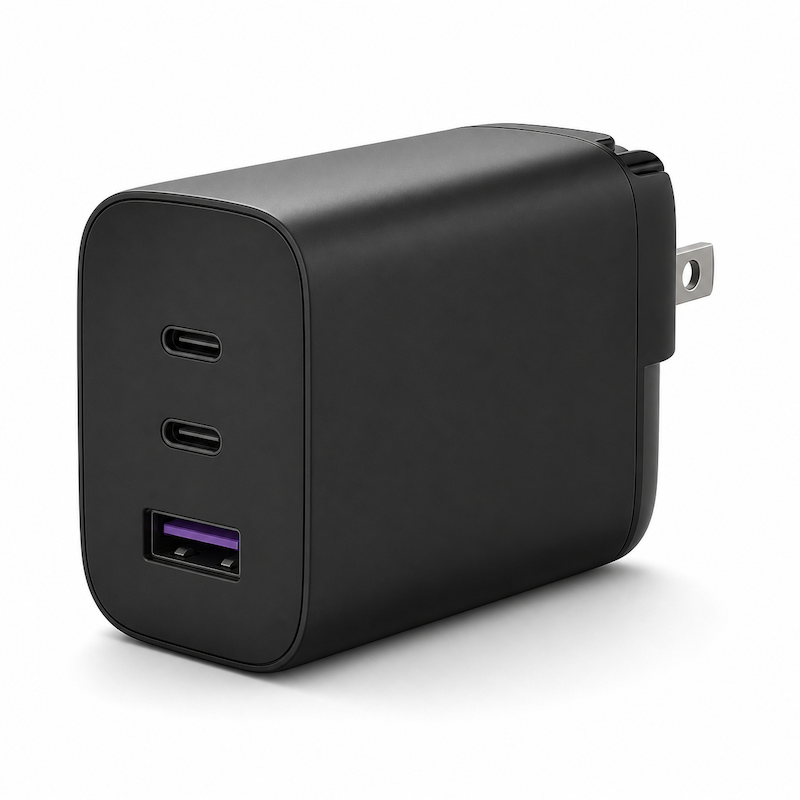
65W USB-C GaN wall charger product image
65W USB-C GaN Wall Charger
Shopify category Electronics > Electronics Accessories > Power > Power Adapters & Chargers > Wall Chargers
Product metafields
What's included Charger + 1m cable
Best for Desk, everyday carry
Finish Matte black
Safety protections Voltage, current
Category metafields
Power source AC-powered
USB connector type USB Type-C
Power conversion Gallium nitride (GaN)
Number of ports 3 ports
Device compatibility Phone, tablet, laptop

Set up structured fields with confidence

Read Configure Structured Fields for field definitions, Data Rules, category attributes, and review guidance.

Shopify metafield generation FAQ

What are Shopify metafields?

Shopify metafields extend the standard product model with typed, reusable data such as dimensions, ingredients, care instructions, compatibility, and warranty details. Definitions enforce a schema, while values hold the product-specific information.

Can merchants choose which metafield definitions get filled?

Yes. You explicitly choose which merchant-owned definitions Listagrow may populate, including definitions in custom or other writable namespaces. Unselected store definitions are not added to the generation workflow.

Can Listagrow fill Shopify category metafields in bulk?

Yes. Listagrow uses each product’s selected Shopify category to surface relevant attributes, then generates values across selected or filtered products. Values use Shopify taxonomy choices where available and remain reviewable before publish.

Do I still review everything before publish?

Yes. The feature removes repetitive field entry, not merchant control. You can review, edit, and approve values before they go live.

How do metafields support Shopify agentic storefronts?

Metafields give AI shopping agents structured product facts they can retrieve, compare, and use in recommendations, such as ingredients, compatibility, dimensions, and care instructions.

Do Shopify metafields automatically improve Google Shopping feeds?

Metafields improve the completeness and consistency of source product data. Google channel app or your feed-management app must map the relevant Shopify fields to Google’s schema.

Can Shopify metafields work with a PIM or ERP?

Yes. Metafields provide stable namespace-key identities and typed values that integrations can map to PIM, ERP, supplier, or marketplace schemas. The direction and mapping rules depend on which system is your source of truth.

Ready to automate your product content workflows?

Start free and try it yourself, or book a demo to discuss your catalog needs and workflows.